Credonexia is an innovative AI-enabled Credonexia investment tool relied upon by a multitude of traders throughout Italy. Signing up for Credonexia is quick and easy—create your complimentary account, explore the Credonexia trial, and embark on your Credonexia investment adventure. Join the collective that has propelled Credonexia reviews to be among the most favorable in the sector.

Credonexia is an innovative AI-enabled Credonexia investment tool relied upon by a multitude of traders throughout Italy. Signing up for Credonexia is quick and easy—create your complimentary account, explore the Credonexia trial, and embark on your Credonexia investment adventure. Join the collective that has propelled Credonexia reviews to be among the most favorable in the sector.
What is Credonexia? It represents a groundbreaking Credonexia investment software that utilizes exclusive artificial intelligence to analyze cryptocurrency, forex, and equities markets in real-time. The Credonexia algorithm examines millions of data points per second, pinpointing lucrative prospects before the marketplace catches on. Whether you’re a seasoned professional or new to Credonexia, our platform adjusts to meet your expertise and aspirations.
Multitudes of Credonexia user reviews affirm our data: traders utilizing the Credonexia platform unlock access to high-level analytics once limited to hedge funds and financial institutions. The built-in copy-trading feature allows you to shadow successful strategies, facilitating a journey to generate income with Credonexia while you learn. Each Credonexia trade is underpinned by transparent AI reasoning, so you can fully comprehend why each opportunity was highlighted.
Security underpins the Credonexia investment tool — multi-layer AES-256 encryption coupled with mandatory two-factor authentication safeguards every Credonexia login. Independent cybersecurity experts review our setup quarterly, which reinforces why Credonexia is trustworthy and has garnered confidence from traders across Italy and beyond. Visit the Credonexia website to check our security certifications.
Artificial intelligence and machine learning have revolutionized the functionality of financial markets, leading us into a realm where enormous volumes of unstructured data can be processed and understood almost instantly. Traditional discretionary trading depended heavily on individual intuition and manual chart interpretation, but the rise of neural networks, natural language processing, and reinforcement learning models has allowed systems to discern subtle patterns among thousands of instruments all at once. These advanced technologies can analyze earnings call transcripts, central bank meeting notes, satellite images of retail traffic, and shipping container movements to uncover alpha signals that would elude even the most adept human analyst. The emergence of affordable computing power, expansive training datasets, and superior model architectures implies that the barriers to entry for AI-enhanced trading are decreasing, providing retail participants access to tools they previously lacked.
Algorithmic trading boasts a rich legacy that goes back to the electronic market innovations of the 1970s when the New York Stock Exchange initiated its Designated Order Turnaround system for electronic order routing. Throughout the 1980s and 90s, quantitative hedge funds like Renaissance Technologies and D.E. Shaw demonstrated that systematic, data-oriented strategies could yield consistent risk-adjusted returns, significantly outperforming traditional stock selection methods. By the early 2000s, high-frequency trading enterprises had emerged, executing millions of transactions daily, capitalizing on fleeting price variations across exchanges. Nowadays, the democratization of algorithmic resources empowers individual traders to deploy strategies once reserved for multi-billion-dollar firms. Cloud-based platforms provide on-demand computational power, open-source libraries furnish pre-configured machine learning frameworks, and user-friendly platforms assemble these technologies into intuitive interfaces that require no programming skills.
Automated portfolio management presents a wealth of benefits over manual methods, especially for traders who find it challenging to keep a constant watch on markets. Systematic rebalancing guarantees that portfolio distributions align with established risk objectives, automatically adjusting positions that have inflated too much and increasing allocations to underrepresented assets. This disciplined methodology mitigates emotional biases that often hinder discretionary traders, such as the inclination to cling to losing positions too long in hopes of a turnaround or to prematurely exit winning trades due to fear. Additionally, automated systems can carry out intricate multi-leg strategies across different asset classes concurrently, preserving hedged positions while taking advantage of spread opportunities that would be cumbersome to manage manually. The outcome is a consistently smoother, less stressful trading experience that operates tirelessly around the clock.
Data-driven decision-making signifies a crucial shift from reliance on gut feelings and anecdotal evidence to a systematic, evidence-based style of trading. By gathering and scrutinizing historical price patterns, volume metrics, order book dynamics, options activity, and macroeconomic indicators, traders can create a quantitative framework for assessing opportunities. Statistical techniques such as regression analysis, time series decomposition, and Monte Carlo simulations offer a solid mathematical foundation for estimating probabilities and expected returns. The primary advantage of this approach lies in its repeatability and testability: hypotheses can be established, backtested against historical data, validated in out-of-sample periods, and refined iteratively. This scientific methodology mitigates the influence of cognitive biases like confirmation bias, anchoring, and recency bias, which behavioral finance has shown to be significant contributors to poor trading results.
The principle of multi-asset diversification is well-recognized in portfolio theory, stemming from Harry Markowitz's Nobel-winning research on mean-variance optimization. By allocating capital across assets that exhibit low or negative correlations with each other—such as stocks, bonds, commodities, currencies, and digital assets—investors can achieve a more advantageous risk-return profile rather than concentrating on a single instrument. During phases of equity market strain, for instance, government bonds and gold have historically shown a counterbalancing capacity, alleviating overall portfolio declines. In the cryptocurrency arena, the correlation between digital currencies and traditional markets has fluctuated significantly over time, presenting opportunities for adaptive allocation strategies. A well-diversified portfolio also minimizes the impact of idiosyncratic risks, such as regulatory crackdowns on a particular cryptocurrency or disappointing earnings from a single entity, ensuring that no single event can trigger catastrophic losses.
Backtesting is an essential component in developing any reliable trading strategy, mimicking how a system would have behaved under actual market conditions. A comprehensive backtesting procedure includes establishing precise entry and exit protocols, determining position allocations and risk management standards, and applying these rules to historical price data across various market contexts, such as bull runs, downturns, sideways markets, and times of significant volatility. Key factors involve consideration of transaction costs, slippage, and market influence, which can severely diminish the profitability of strategies that seem appealing in frictionless simulations. Walk-forward analysis, where the strategy is finetuned on one timeframe and evaluated over a later out-of-sample period, helps to prevent overfitting—the risky tendency to overly tailor a model to historical anomalies rather than genuine predictive insights. Traders should also carry out sensitivity analysis to identify how strategy performance fluctuates with changes in key parameters, thereby ensuring results are consistent and not predicated on a narrow range of assumptions.
Grasping market microstructure and order flow grants traders a more profound understanding of the mechanisms driving price formation and liquidity provision. Market microstructure explores how exchanges match buy and sell orders, how market makers determine bid-ask spreads, and how information gets infused into prices through the ongoing interaction between informed and uninformed parties. Order flow analysis looks at the sequence and volume of incoming orders to uncover disparities between buying and selling pressure, which frequently precedes price shifts. Instruments like volume profile, footprint charts, and order book heatmaps enable traders to visualize where significant liquidity is concentrated and where it is sparse, identifying potential support and resistance zones stemming from genuine trading activity rather than just purely technical pattern analysis. A comprehension of elements like order book depth, transaction data, and the difference between passive and aggressive orders provides a foundational advantage that complements standard technical and fundamental analysis.
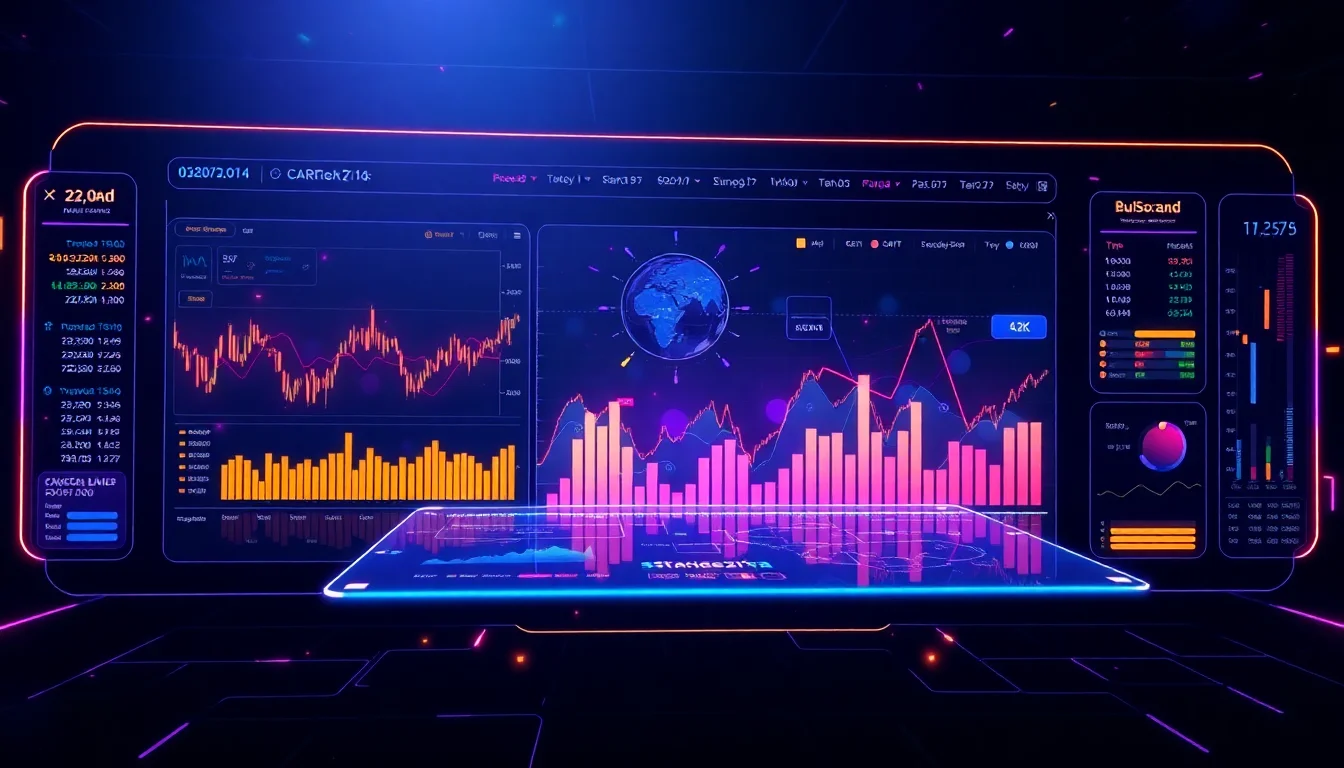
Cultivate diverse portfolios across various asset types with AI-powered allocation guidance from the Credonexia platform. Our models focus on optimizing risk-adjusted outcomes, rebalancing as market dynamics shift — perfect for long-term Credonexia investment strategies. Grounded in modern portfolio theory, pioneered by Harry Markowitz, the principle suggests that blending various assets with differing return potentials and low correlations can create a portfolio that achieves better risk-adjusted results than any single asset held alone. Strategic resource allocation among equities, fixed income, commodities, and alternative investments like cryptocurrencies seeks to harness the benefits of diversification while aligning with an individual’s time frame and financial aspirations.
Seize intraday momentum with Credonexia trading signals fine-tuned for quick trades and day trading. Our system guarantees ultra-fast execution, allowing you to strike when the moment is right — this is how Credonexia operates for active traders. Scalping strategies focus on capitalizing on small gains across numerous trades during the session, usually keeping positions open for mere seconds to minutes. Successful scalpers require exceptionally narrow spreads, rapid execution capabilities, and rigorous exit tactics, as even a hint of slippage or indecision can turn a winning strategy into a loss.
Capture prevailing market trends with Credonexia momentum metrics that merge price speed, volume shifts, and order-flow discrepancies into one cohesive score. Experiences shared by momentum traders on Credonexia trading validate the precision of these indicators. The tenets of momentum investing rely on the well-established observation that assets showing strong recent performance tend to maintain their trajectory in the short term, and vice versa for those lagging behind. Academic analyses throughout various timelines and locales have confirmed this momentum premium to be one of the most significant phenomena in financial economics, alongside value and size considerations.
Steer through choppy market conditions with Credonexia volatility analytics that fully adjust position sizes and stop-loss parameters in real-time. This is why Credonexia is safe even amidst extreme market shifts. Effective volatility management forms a vital aspect of professional trading practices, involving techniques like dynamic position sizing that scales back exposure during volatile periods and ramps it up during stable intervals. The VIX index, often referred to as the fear gauge, along with implied volatility derived from options pricing provides forward-looking estimates of anticipated market fluctuations that guide proactive risk adjustment.
Anticipate macroeconomic trends that shift entire markets
Credonexia compiles economic metrics from central banks, national statistical offices, and international trade organizations, displaying it all through user-friendly dashboards. Monitor GDP growth, inflation trajectories, interest rate forecasts, and balance of trade fluctuations across major economies, including specialized insights for Italy. Our Economic Momentum Score distills multiple indicators into a single actionable figure. Users exploring what is Credonexia trading will find that this macroeconomic intelligence provides a critical edge over traders who rely solely on graphical data. Decisions made by central banks regarding monetary policy are among the clearest influencers of asset price shifts in every financial market, so grasping how rate changes, easing measures, and forward guidance impact various asset classes is key for any serious trader. A hike in interest rates to counter inflation typically leads to an upsurge in fixed income returns while bond prices decrease — equities in rate-sensitive sectors like real estate and utilities often follow suit, and the local currency typically appreciates against counterparts. In contrast, a lenient monetary stance with low rates and asset purchasing schemes generally enhances equity markets, lowers bond yields, and dilutes currency value. The subtle dance between anticipated and actual policy decisions creates ample trading opportunities since market reactions often hinge more on unexpected elements of announcements than their absolute rates. The intricate relationship connecting inflation, interest rates, and financial market outcomes is a cornerstone of economic analysis, central to shaping asset allocation strategies. Standard inflation conditions tend to support equity markets, allowing firms to transfer rising costs to consumers while driving nominal increases in asset values. Nevertheless, excessive inflation that provokes central banks into strict tightening cycles can lead to a simultaneous revaluation across equities, bonds, and real estate. Understanding the prevailing inflation climate—whether characterized by disinflation, reflation, or stagflation—and its probable direction allows traders to strategically align their portfolios with the current macroeconomic context rather than contesting powerful underlying trends. Global trade factors significantly influence currency markets, with trade balances, tariff announcements, disruptions in supply chains, and cross-border capital movements all feeding into fluctuations in exchange rates. Countries boasting persistent trade surpluses often see their currencies gain strength over time, while those experiencing deficits may face devaluation pressures. The interconnectedness of modern international supply chains means that disruptions in one area—be it due to geopolitical strife, natural disasters, or public health emergencies—can ripple through commodity prices, transportation costs, and manufacturing outcomes worldwide. For currency traders, keeping tabs on trade flow data, terms-of-trade measures, and international investment patterns provides critically relevant context for understanding the fundamental influences on exchange rates beyond momentary technical volatility. Economic surprise indices, which quantify the variance between actual data releases and analyst expectations, are invaluable tools for timing market prospects. When economic indicators consistently exceed forecasts, it hints at an overly pessimistic consensus and suggests robust economic performance, typically buoying risk assets and the home currency. Conversely, recurring negative surprises can signal a downturn not yet reflected in market pricing. These indices aggregate unexpected outcomes across a variety of metrics, from employment statistics and manufacturing assessments to consumer confidence surveys and inflation data, offering a comprehensive view of economic momentum that is frequently more actionable than isolated data releases.

The Moving Average Convergence Divergence indicator within the Credonexia platform features AI-enhanced smoothing techniques that minimize false alerts by up to forty percent in comparison to traditional methods. The MACD functions by calculating the differential between two exponential moving averages of varying time frames, typically twelve and twenty-six periods, displaying this differential as a histogram along with a signal line. Divergences between the MACD and activity on the price chart serve as particularly impactful indicators, as they highlight diminishing momentum that often precedes reversals in market trends.
Credonexia seamlessly integrates Fibonacci levels onto charts, pairing this with volume profile insights to illuminate key support and resistance areas steeped in statistical significance. Grounded in the numerical pattern unveiled by Leonardo of Pisa, this method employs ratios like 0.236, 0.382, 0.500, and 0.618, which resonate throughout both nature and the financial arena. In the realm of trading, these ratios pinpoint potential reversal points, revealing where buying or selling activities may arise during the ebb and flow of broader market dynamics.
Our advanced Stochastic Momentum Gauge incorporates multi-timeframe divergence detection, notifying you when momentum shows signs of conflict with prevailing trends — a vital signal for impending reversals available through the Credonexia trading software. Analyzing oscillator divergences stands out as a potent method for spotting reversal opportunities, especially when price creates a new high or low that isn’t mirrored by the corresponding oscillator. A classic bearish divergence occurs when price peaks higher while the oscillator dips, indicating waning upward energy. Conversely, hidden bullish divergence arises when price reaches a higher low yet the oscillator declines, often indicating a continuation of the existing trend.
The Credonexia AI engine examines millions of market data points each minute, detecting emerging trends and micro-patterns that escape human attention. Receive accurate buy-and-sell indicators supported by neural-network models honed on decades of historical Credonexia stock price insights. Our Credonexia bot works tirelessly—monitoring the markets 24/7 so you don’t have to. Modern analytics engines in trading utilize convolutional neural networks for identifying patterns in price charts, recurrent models for forecasting sequences in time series, and attention-based transformers for concurrently processing multiple data streams, whether text, numerical, or order flows. These sophisticated model frameworks can recognize intricate nonlinear relationships among hundreds of variables that traditional statistical methods would struggle to capture.
Download the Credonexia app on iOS or Android to oversee your portfolio from virtually any place within Italy. The Credonexia trading app offers the same elite analytics as the desktop version, featuring one-tap order placements. The installation of the Credonexia app is free and takes less than a minute—search for Credonexia within your device’s application store. Mobile trading has transformed how retail investors engage with financial markets, facilitating real-time portfolio oversight from almost any location with cellular or wireless access. Research suggests that traders using mobile devices gain quicker response times during news events and market-moving announcements, as push alerts convey notifications directly to their devices without needing them to be stationed at a desktop.
Safeguard your capital with the Credonexia suite of automated risk management instruments. Tailor dynamic stop-loss limits, set position-size controls, and activate trailing stops that secure profits. The Credonexia algorithm adjusts risk parameters in real-time according to current market fluctuations, ensuring your exposure aligns with your comfort level. Efficient risk management is commonly regarded as the most crucial factor in long-term trading achievement, often outweighing the significance of entry signal precision. Professional risk management strategies encompass multiple tiers of protection, including per-trade stop losses, daily loss limits, maximum portfolio drawdown limits, and correlation-aware position sizing that curtails overexposure to interconnected assets.
Engage with cryptocurrencies, forex pairs, commodities, and equity indices all from a single Credonexia platform dashboard. Seamless cross-asset transactions empower you to diversify tactics, hedge positions, and enhance your Credonexia investment portfolio efficiently across several markets at once. Multi-asset trading centers offer the unique benefit of fostering portfolio-level thinking instead of instrument-level analysis, allowing traders to survey their overall exposure across various asset classes from a consolidated risk dashboard. Cross-margining features can also boost capital effectiveness by recognizing offsetting positions across correlated instruments, thereby freeing up margin for new opportunities.
New to the world of market engagement? The Credonexia demo account allows you to explore trading using virtual funds, giving you the freedom to learn without the weight of real monetary stakes. Delve into each component of the Credonexia financial hub risk-free. There's no need for a credit card—just finish your Credonexia registration and you'll gain immediate access. Demo accounts function as essential training tools, allowing individuals to craft and refine strategies in an environment that closely mimics actual trading conditions. Financial gurus suggest that novices invest several weeks honing their skills on demo accounts before advancing to live trades, utilizing this time to familiarize themselves with order types, risk management techniques, and the emotional nuances of observing real-time market shifts.
Replicate the tactics of distinguished traders at the touch of a button. The Credonexia algorithm evaluates traders based on proven outcomes, risk assessments, and past performance dips, ensuring you have clear insights. Discover the latest Credonexia trading system critiques to identify which copy-trading tactics users prefer. By facilitating an environment for shared trading strategies, social trading networks have made professional approaches accessible to all, allowing novices to emulate the strategies of verified experts effortlessly. This community-driven method fosters a system where adept traders gain recognition and rewards, while newcomers can study the decision-making processes and risk strategies employed by successful traders as they unfold in real-time.
The Credonexia macro scanner perpetually tracks announcements from central banks, employment statistics, and GDP updates from over thirty global economies, including Italy. By linking these data points with real-time asset valuations, the platform uncovers high-probability trading opportunities. Curious traders often ask how does Credonexia operate? This macroeconomic framework underpins our competitive advantage. The methodology of macroeconomic analysis involves observing leading, coincident, and lagging indicators to create a comprehensive understanding of economic vitality and direction. Leading indicators such as purchasing manager indices and consumer sentiment surveys signal early economic changes, while coincident indicators like industrial output substantiate the current economic situation. Lagging indicators, including unemployment numbers and corporate earnings, confirm trends only after they materialize.

Empowered by sophisticated deep learning networks, the Credonexia algorithm discerns repeating chart patterns — from double tops and head-and-shoulders to intricate harmonic formations — boasting over ninety-two percent accuracy based on historical data. The Credonexia bot effectively utilizes these recognized patterns in real-time across various asset classes. Pattern identification in financial landscapes has significantly transformed since the manual charting days, with advanced computer vision techniques capable of assessing thousands of instruments concurrently across diverse time frames. Deep-learning models, trained on a massive dataset of historical chart patterns, can detect subtle deviations from expected configurations that might escape the notice of human analysts, evaluating each pattern's statistical reliability based on context, including volume support and alignment with key levels.

Markets are always active, and so is Credonexia. Our infrastructure functions around the clock, perpetually scanning global exchanges and sending alerts the instant a high-confidence trading situation arises. Whether utilizing the Credonexia app on your phone or accessing the desktop Credonexia website, you'll receive immediate notifications. Continuous market surveillance is especially crucial for traders engaging in global markets spanning diverse time zones, from the bustling sessions in Tokyo and London to those in New York. Cryptocurrency markets are perpetually open, running twenty-four hours a day, seven days a week, while forex markets remain active five and a half days a week, with automated monitoring guaranteeing that critical opportunities and risk factors are never overlooked, no matter your local time or schedule.

Embark on your journey in three straightforward steps — Credonexia registration await you today.
Fill out the brief Credonexia registration form, including your name, email address, and phone number. Head over to the Credonexia official portal, and your account will be validated in just under two minutes. The Know Your Customer verification process is a legal necessity aimed at thwarting identity theft, money laundering, and financial deception. Although this step slightly extends the registration process, it ensures vital safeguards for both the platform and its users, verifying that only authenticated individuals can access trading services and financial dealings.
Establish your risk limits, select your favored asset classes, and pick from AI-suggested strategies available on the Credonexia trading platform. Begin with the Credonexia demo or make a Credonexia $250 deposit to kick off your live trading experience. Key practices for strategy customization include determining your maximum acceptable loss for each trade, defining your desired risk-reward ratio, setting the upper limit on concurrent open positions, and aligning asset classes with your expertise and familiarity. Investing time to carefully outline these parameters prior to executing your first trade lays down the structured foundation that professional traders deem crucial for enduring success.
Start receiving real-time AI insights from the Credonexia trading system, carry out trades seamlessly with just one click, and keep track of your portfolio via the dashboard or Credonexia app. Profit through Credonexia by adhering to data-centered signals. The signal-driven trading approach involves providing clear trade recommendations encompassing entry points, target prices, and stop-loss levels, equipping traders to analyze the risk-reward dynamics before committing funds. The most effective approach to signal-following harmonizes the analytical strength of the signal generator with the trader's own insights regarding market context, position sizing, and timing.
The Credonexia solution consolidates every facet of contemporary trading into an easy-to-navigate interface. Engage with real-time pricing data, Credonexia AI-driven signals, portfolio analysis, and automated risk governance—all without leaping between multiple tools. Whether day trading or considering long-term Credonexia investments, our platform equips you with a framework to execute your strategies with exactness. Traders in Italy have access to specialized market information, and the Credonexia app Italy offers the same capabilities on the go. This is the essence of how Credonexia operates—sophisticated technology shaped into a user-friendly experience. The integration of charting, order execution, risk analytics, news updates, and performance tracking into one unified workspace eradicates the cognitive burden of navigating through various applications, each with unique logins and data formats. Research in human-computer interaction consistently highlights that switching contexts incurs a substantial mental toll, impairing decision quality and slowing down responses. By merging all crucial trading functions into one cohesive environment, traders can keep their attention on market insights rather than contending with disjointed tools, fostering quicker and more assured execution when opportunities arise. A unified hub also guarantees that all elements share the same real-time data feed, eradicating synchronization lags and discrepancies that typically arise when traders depend on separate charting, execution, and portfolio tracking applications. This architectural advantage becomes especially crucial during rapidly shifting market conditions such as central bank announcements, earnings releases, or geopolitical events, where even a fractional delay between signal receipt and order placement can greatly affect the chance of securing a favorable entry. Cross-asset correlation evaluation gains immense strength when conducted within an integrated environment capable of processing pricing data, volatility measures, and order flow across equities, foreign exchange, commodities, and digital currencies at once. Traders can construct tailored correlation matrices, monitor evolving correlation coefficients live, and receive alerts when previously correlated assets start to diverge—a phenomenon that often indicates an impending market turnaround or a shift in dynamics. This multi-faceted approach to inter-market relationships allows for more advanced hedging strategies and portfolio construction techniques than would be attainable through individual tools. Continuous portfolio monitoring provides real-time insight into overall exposure, unrealized profits and losses, margin usage, and risk measures such as value-at-risk and maximum drawdown. Instead of relying on end-of-day summaries or manually calculating portfolio figures, traders receive ongoing updates as each position changes, enabling timely adaptations to preserve their preferred risk profile. Automated notifications can be set to trigger when certain thresholds are crossed, such as total portfolio loss surpassing a certain percentage or a single position expanding beyond its target allocation, ensuring that risk management remains proactive rather than reactive.

"The Credonexia platform revolutionized my trading strategy. The AI-driven signals are astoundingly precise, and the risk management tools empower me in each decision I make. After exploring Credonexia reviews online, I made the choice to give it a shot — it’s the best decision I’ve ever taken."
"Initially, I was doubtful — I searched for Credonexia fraud or authentic before registering. Six months in, my Credonexia trading experiences have been overwhelmingly favorable. The interface is user-friendly, and the support team is always prompt."
"As a newcomer, the Credonexia demo mode was a game changer. I comprehensively learned the platform prior to risking my funds. The Credonexia app enables me to keep track of trades wherever I am. I highly recommend it for those embarking on their Credonexia investment journey."
"The sentiment analysis feature on Credonexia provides me with an advantage I never had before. I can observe market mood changes in real time. Is Credonexia trustworthy? Definitely — I’ve monitored every signal for three months, and the accuracy is quite impressive."
"The multi-asset feature of the Credonexia system is remarkable. I can manage cryptocurrencies, forex, and stocks all from one dashboard. People often ask me is Credonexia effective — I encourage them to experience the demo and see for themselves."
"Lightning-fast execution and consistent uptime make Credonexia the finest platform I’ve used. I had concerns about claims of Credonexia deception circulating online, but the authentic Credonexia experiences are a testament to its reliability. The economic trend tracker is outstanding."
All data sent to and from the Credonexia platform is safeguarded by AES-256 encryption — a standard embraced by governments and financial entities worldwide. This is a crucial reason Credonexia is considered secure for traders throughout Italy. AES-256 stands as a symmetric encryption standard that utilizes a 256-bit key length, rendering it virtually impossible to breach with brute force tactics given today's computing capabilities. This encryption standard holds approval from the National Institute of Standards and Technology and is sanctioned for the protection of classified governmental information up to the Top Secret classification.
Whenever you log in to Credonexia, a secondary verification code will be generated via an authenticator app or SMS. This guarantees that even if your credentials fall into the wrong hands, unauthorized individuals cannot gain entry. There has never been a breach of the Credonexia trading system login. Security specialists advocate for time-based one-time password applications over SMS verification for added safety, as they are resilient against SIM-swapping and phone number interception threats. For enhanced security on significant accounts, utilizing a dedicated hardware key and enabling biometric verification is recommended.
Every quarter, independent cybersecurity professionals perform penetration tests and code evaluations of the Credonexia framework. Identified vulnerabilities are swiftly addressed within a maximum of forty-eight hours, which is why reviews of the Credonexia platform frequently highlight our robust security measures. Established audit methodologies align with frameworks such as OWASP for web applications and NIST for thorough infrastructure evaluations. These assessments imitate realistic attack scenarios such as injection attempts, cross-site scripting, privilege escalation, and distributed denial-of-service efforts to uncover and fix vulnerabilities before they can be exploited by ill-intentioned actors.

Within each suggestion from the Credonexia investment software lies an understandable explanation. Our AI system clarifies precisely why a certain opportunity was highlighted—including the technical configurations detected, shifts in sentiment gauged, and macro indicators that aligned. Does Credonexia actually work? The evidence speaks for itself: authentic performance metrics are accessible to every registered user. This straightforward approach allows traders to grow their knowledge as they engage, turning intricate market data into meaningful insights. Credonexia is it dependable? Our proven performance and expanding user community attest to its effectiveness. Explainable AI has become foundational to ethical financial technology, driven by the understanding that both traders and regulators must grasp the rationale behind automated systems' recommendations. Unlike inscrutable black-box models that generate results with no accompanying explanation, transparent systems break down their decision-making process into understandable elements, such as the relative importance assigned to technical metrics, the sentiment score derived from recent news reports, and the macroeconomic backdrop that influenced the overall appraisal. This openness not only builds user trust but also aids them in honing their own analytical capabilities by examining the thought processes behind each signal, effectively turning each trading alert into a learning opportunity. Trust forms the bedrock of any prosperous relationship between a trader and an automated system, and transparency is the vehicle that fosters and sustains that trust over time. When users can observe exactly which data inputs influenced a suggestion and how those elements were prioritized, they feel bolstered to act on signals promptly instead of hesitating to second-guess the system during crucial moments. This confidence becomes paramount during turbulent market periods, when emotions are heightened, and the temptation to override systematic inputs for impulsive decisions is strongest. A transparent system establishes an anchor of objectivity that aids traders in maintaining discipline and consistency in their strategies. The challenge lies in matching model complexity with interpretability in financial machine learning, as more intricate models like deep neural networks often provide superior predictive accuracy but compromise transparency. Simpler models such as linear regression or decision trees are naturally more interpretable but can fail to capture the nonlinear interactions prevalent in financial environments. Current strategies tackle this dilemma through techniques like SHAP values, LIME explanations, and visualization of attention mechanisms, offering human-understandable insights into the workings of complex models without sacrificing their predictive capabilities. These interpretability tools enable traders to comprehend not just what the model anticipates, but what features drove that expectation and how alterations in input variables would impact the output. Regulatory authorities worldwide are increasingly compelling financial technology firms to prove that their algorithmic systems are fair, open, and accountable. The European Union's Markets in Financial Instruments Directive requires companies utilizing algorithmic trading systems to retain extensive records of their algorithms' principles and to be capable of explaining their conduct to regulators when requested. Similar frameworks are making headway in North America and the Asia-Pacific region, illustrating a worldwide agreement that algorithmic transparency is vital for sustaining market integrity and safeguarding retail participants. Organizations that prioritize building explainability infrastructure today are strategically positioning themselves for the evolving regulatory environment.

At Credonexia, we maintain that optimal trading emerges from the fusion of rapid pattern recognition via artificial intelligence and the nuanced insights of seasoned human analysts. Who is Credonexia in the back offices? Our team is comprised of former institutional traders, quantitative experts, and macroeconomic analysts. The Credonexia AI produces data-focused signals that are persistently honed by this knowledgeable cadre. Leadership, including the Credonexia trading CEO, ensures technology amplifies human insights, yielding recommendations that neither machine nor individual could generate independently. Despite the impressive strides made in algorithmic trading in recent decades, fully automated systems come with fundamental constraints that highlight the ongoing necessity of human discretion in financial markets. Algorithms are adept at processing ordered data, recognizing patterns, and executing established rules with flawless consistency, yet they falter in the face of unprecedented events that elude their training datasets — such as black swan occurrences like geopolitical conflicts, pandemic-induced market shocks, or sudden regulatory upheavals that can reshape entire industries overnight. In these critical moments, skilled human analysts can leverage contextual familiarity, historical parallels, and qualitative assessment to navigate swiftly changing conditions and modify strategies as needed, injecting a necessary layer of adaptability that pure automation cannot deliver. The need for human oversight in financial markets extends beyond technological limitations. Ethical considerations, regulatory compliance, and fiduciary duties necessitate human accountability for trading choices, specifically when those decisions involve significant investments or impact other market participants. A human risk manager possesses the discretion to intervene during extraordinary circumstances, opting to override automated systems when anomalous patterns are detected or when market trends imply that the model’s foundational assumptions no longer apply. Such judgment-based interventions have averted numerous potential catastrophes in algorithmic trading history, including instances where feedback loops among automated systems had the potential to escalate market volatility into spiraling crashes. This hybrid model, integrating human insight and machine intelligence, has shown enhanced outcomes across various well-documented cases in the financial sector. Quantitative hedge funds such as Two Sigma and Bridgewater Associates have long employed teams of researchers who design, monitor, and refine algorithmic frameworks, perfectly combining the scalability and speed of automation while benefiting from the ingenuity and adaptability of human intellect. In assembling portfolios, human analysts offer strategic guidance and thematic insight while algorithms handle tactical execution and risk management. In research, humans generate hypotheses informed by domain experience while machines conduct comprehensive backtesting and statistical verification. This cooperative model capitalizes on the respective strengths of both human and machine intelligence, resulting in outcomes that consistently surpass what either side could accomplish in isolation. The future of investment decision-making rests in augmented intelligence — systems crafted to bolster human capabilities rather than replace them entirely. This vision transcends simple automation to forge interactive frameworks where traders can engage with AI models, grasp their logic, modify their parameters, and include qualitative insights that remain inaccessible to machines. Natural language interfaces empower traders to inquire about portfolio risk using plain language, receiving contextually relevant responses in return. Visualization tools render complex multi-dimensional data into straightforward graphical formats that harness human pattern recognition strengths. The objective is a seamless collaboration, wherein technology manages the computationally demanding aspects of market analysis, while human intelligence provides the strategic foresight, ethical accountability, and inventive problem-solving that characterize truly outstanding asset management.

Unravel collective emotions to forecast market shifts
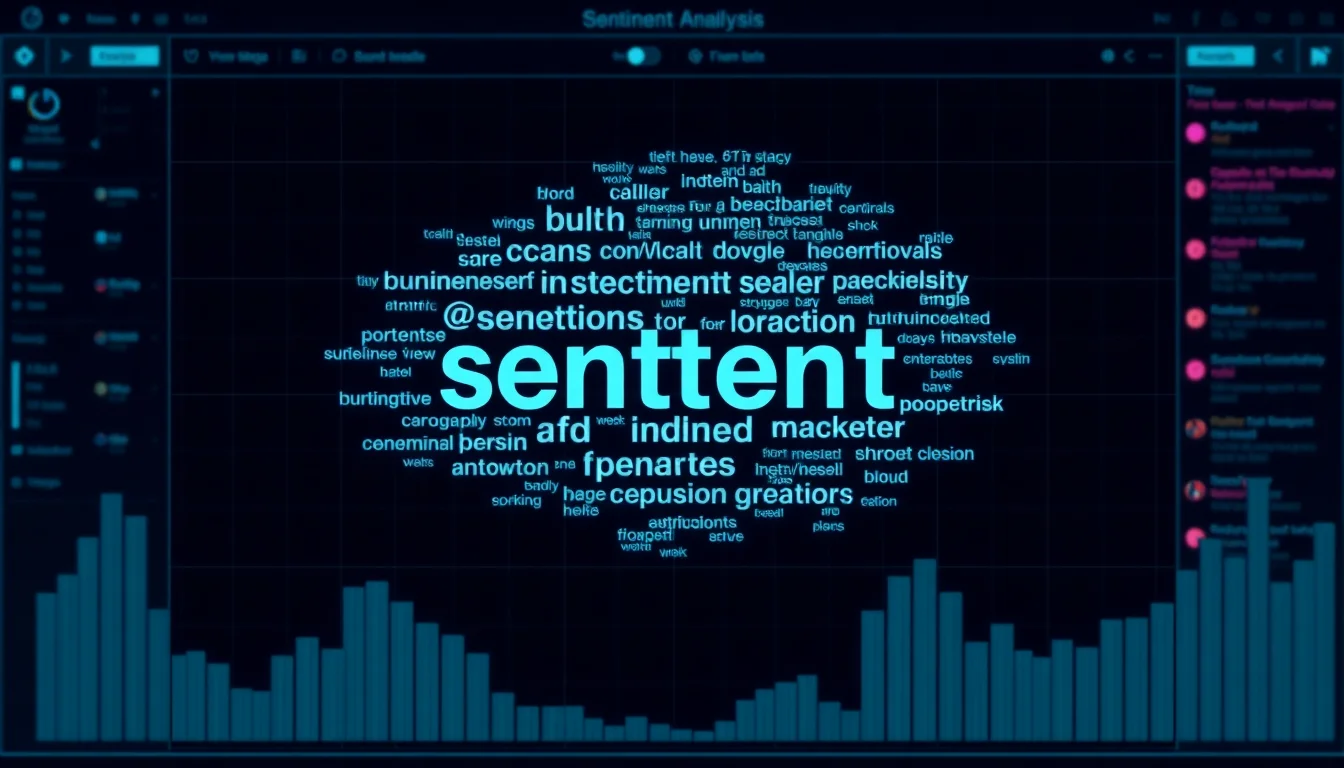
The Credonexia sentiment analysis engine processes a wealth of data from social platforms, financial news outlets, and blockchain metrics to create a composite mood index for each asset we support. When positive sentiment surges beyond usual levels, the system indicates potential overbought scenarios; in contrast, prevailing fear signals contrarian buying prospects. Dialogue from the Credonexia forum and Credonexia reddit threads consistently showcase the value of the sentiment tool as a standout feature of the platform. By quantifying emotions that often drive irrational choices, Credonexia AI turns instinctive feelings into rigorous, trade-ready signals. State-of-the-art natural language processing underpins contemporary sentiment analysis in finance, utilizing transformer architectures that grasp context, sarcasm, and industry-specific lingo with impressive accuracy. Trained on millions of financial documents, including analyst disclosures, earnings dialogues, regulatory papers, and social media inputs, these models can differentiate between genuine optimistic discourse and sarcastic or misleading commentary. Named entity recognition parses which specific assets or sectors are being discussed, while aspect-based sentiment analysis assesses whether the opinion pertains to price projections, fundamental value, management quality, or broader economic conditions. The sophistication of these language models has evolved to discern subtle tonal shifts in sequential statements, such as when an optimistic analyst begins to hedge their commentary or when retail enthusiasm for an asset approaches euphoric levels. Emerging as strong leading indicators, social media platforms can predict market trends, particularly in the cryptocurrency and retail-investor-driven equity segments. Research reveals that surges in social media engagement and changes in overall sentiment frequently predate substantial price movements by hours or even days. Platforms like Twitter, Reddit, as well as niche financial forums, generate an ongoing flow of real-time opinions that, when meticulously filtered and analyzed, can provide timely alerts about nascent trends, breakout catalysts, or potential market panic. The difficulty lies in distinguishing genuine insights from mere noise, automated content, and coordinated manipulation, necessitating sophisticated filtering algorithms and anomaly detection mechanisms. Behavioral finance underlines the rationale behind why sentiment analysis is effective for trading decisions, based on extensive studies into cognitive biases and emotional trends that systematically influence investor actions. Prospect theory, elucidated by Daniel Kahneman and Amos Tversky, shows that losses tend to be felt more acutely than equivalent gains, leading to unequal market reactions to good and bad news. Herd mentality drives investors to follow prevailing trends rather than conduct independent analyses, exacerbating market movements beyond fundamental values. The disposition effect leads traders to sell winning investments prematurely while stubbornly holding onto losing ones. By assessing these behavioral phenomena in aggregate using sentiment metrics, trading systems can anticipate moments when collective psychology threatens to drive prices to extremes that eventually revert. One of the major hurdles in sentiment measurement is filtering out noise — discerning meaningful signals from the flood of irrelevant, misleading, or repetitive information that inundates social media and news. Advanced denoising strategies include assigning credibility scores to sources, prioritizing reliable commentators and verified accounts; employing temporal decay weighting to give precedence to recent sentiments over older observations; and utilizing anomaly detection to weed out orchestrated bot campaigns or spam-driven sentiment manipulations. Cross-referencing sentiment findings with quantitative market data like options activity, volume analysis, and order book discrepancies adds an extra validation layer, ensuring that sentiment-derived signals align with observable market dynamics before acting upon them.
The Credonexia trading platform was crafted to empower individual traders with the same analytical capabilities that institutional funds depend on. With lightning-fast order execution, strategically placed servers across Toronto, New York, and London, and an always-available support team — each aspect of the Credonexia experience embodies our dedication to quality. For a glimpse into why our user base across Italy and beyond continues to thrive, explore the Credonexia official website. Is Credonexia legit? Our clear history, industry-regulated partnerships, and countless positive Credonexia testimonials affirm that trust is earned. Co-located trading technology grants a tangible benefit in execution precision by minimizing the distance between trading servers and exchange matching engines. When servers are located within the same data center as the exchange, network delay shrinks to microseconds rather than the milliseconds common in distant connections. This proximity advantage ensures swift order transmission to exchanges, mitigating the risk of price fluctuations occurring between the decision to trade and the execution of orders. For traders who manage numerous transactions daily, even marginal improvements in price filling can lead to significant performance boosts over time, highlighting the importance of robust infrastructure beyond mere specifications. Speed of execution is vital during times of high market volatility, such as during key economic announcements, central bank revelations, or unpredicted geopolitical upheavals. In such instances, prices can shift dramatically in mere fractions of a second, and traders with slower connections may find themselves facing significantly altered fill prices or, worse, orders being rejected due to outdated quotes. Reliable infrastructure equipped with redundant pathways, failover mechanisms, and balanced order routing guarantees consistent execution standards, which are critical for serious traders investing their resources in rapidly evolving markets. A committed support team, blending extensive market insights with technical prowess, enhances the overall trading journey by promptly resolving challenges and offering guidance that surpasses basic assistance. Whether traders need help with setting risk limits, comprehending specific analytical features, or navigating the complexities of trading across various asset classes and time zones, informed support personnel can provide timely, relevant advice that maximizes user experience. This human support layer works seamlessly with the automated features of the platform, ensuring that traders are never left to face intricate situations on their own. User-driven development guarantees that the platform adapts to the genuine needs and preferences of its clientele. Regular feedback surveys, feature suggestion forums, and beta testing initiatives provide traders with a direct channel to influence product development, leading to enhancements that address real-world user challenges rather than abstract scenarios. This collaborative development process cultivates a sense of belonging among users and creates a positive feedback cycle, leading to continual enhancement of the platform shaped by the shared knowledge and experiences of the trader community.
Become Part of Quantum Ai Today »
No elusive fees or recurring subscriptions — harness the full potential of the Credonexia platform completely free. There’s no Credonexia scam — our pricing is completely transparent. Clarity in fees is a trademark of reputable investment solutions, as hidden expenses like inactivity fees, withdrawal penalties, and inflated spreads can gradually diminish returns.
Credonexia registration takes less than two minutes. Begin exploring AI-enhanced trading signals right after you finalize your Credonexia onboarding. A seamless onboarding experience minimizes the barriers between a trader’s decision to explore a solution and their ability to utilize its features, which is critical in seizing timely market opportunities.
Gain access to webinars, instructional videos, and strategy guides. Discover how Credonexia operates and fast-track your trading expertise with our extensive education center. Ongoing trading education is vital as financial markets are in a state of continuous change, with new tools, regulations, and market factors emerging frequently, necessitating traders to refresh their knowledge and adapt their tactics.
Round-the-clock support is available via live chat, email, and phone. Any Credonexia grievances will be addressed within twenty-four hours. Exceptional customer support in the trading sphere requires representatives who grasp both the technical aspects of the platform and the essentials of financial markets, allowing them to offer meaningful help rather than generic responses.
Engage in practice trading without any risk using a complete Credonexia demo account funded with virtual currency. No deposit is required to test. Demo accounts are essential for the learning process, enabling traders to cultivate their skills for navigating the platform, experiment with various strategy settings, and build assurance before moving onto live trading with actual funds.
Trade fluidly across desktop, tablet, and mobile using the Credonexia app. Obtain the Credonexia app and synchronize your portfolio effortlessly. This cross-device compatibility allows traders to switch seamlessly between their main workstation and mobile gadgets throughout their day, always staying informed about their portfolio status and market dynamics, no matter where they are.
Key tenets for safeguarding your investments
In the realm of trading, experts affirm that risk management stands as the paramount factor in securing enduring success. While novice traders often fixate on pinpointing lucrative entry points, seasoned investors recognize that even the most adept strategies can falter without a solid foundation of risk management. The core objective of this discipline is to protect against substantial losses from any single transaction, a sequence of unfortunate trades, or unforeseen market fluctuations that could threaten one’s continued participation in trading. Safeguarding capital is the bedrock of all trading achievements, for a trader stripped of their funds can no longer seize future chances.
Determining position size is arguably the cornerstone of any risk management strategy, dictating how much of your assets you commit to each trade. A widely adopted method involves risking a fixed percentage of your complete balance per transaction, usually falling between one and three percent for those who adopt a cautious approach. Therefore, if a trader possesses a ten thousand dollar portfolio and opts to risk two percent per trade, their maximum risk would not exceed two hundred dollars per transaction. The position size is then assessed by dividing this monetary risk by the gap from the entry price to the stop-loss point. This method naturally adjusts position sizes in response to losses and profits, fostering capital conservation during downturns while allowing growth through winning trades.
Mastering stop-loss management is a crucial skill that establishes the threshold for acceptable loss on any trade prior to its exit. Various strategies exist for determining stop-loss levels, such as fixed-distance stops based on a set number of points or a percentage, dynamic stops influenced by current market volatility utilizing indicators like the Average True Range, and structural stops that lie beyond significant technical markers such as recent peaks or troughs. Additionally, trailing stops that adjust as profits increase can help secure gains while providing room for successful trades to develop further. The fundamental principle is that each trade should have a clear exit strategy for losses established in advance, eliminating the perilous instinct to cling to losing trades with the false hope of recovery.
Hedging at the portfolio level entails taking contrasting positions across correlated assets to minimize exposure to certain risk elements. For instance, a trader invested in equities might protect against overall market downturns by holding put options on a significant index or by positioning themselves in assets that traditionally rise during stock sell-offs, like government securities or precious metals. Cross-asset hedging can also involve strategic pairs trading, where a long stance in one asset offsets a short one in another relatable asset, isolating their individual performances while negating the risk from overall market movements. Proficient hedging necessitates an understanding of how assets correlate with each other and how these relationships may alter during turbulent market phases.
Analyzing risk versus reward is the act of assessing a trade’s potential benefits against its possible losses before making a decision. Professional traders usually seek a minimum risk-reward ratio of one to two, meaning the potential profit should be at least double the distance of the stop-loss. This discipline ensures that even when the win percentage dips below fifty percent, the overall strategy can remain viable since the average profitable trade outweighs the losses incurred. Prior to entering any trade, traders should define their entry point, stop-loss placement, and profit target, then verify if the resulting risk-reward ratio satisfies their established criteria.
The mental facets of risk management, often overlooked, are crucial in determining if a trader can consistently adhere to their risk guidelines amid the pressures of live market conditions. The fear of missing out may lead individuals to enter trades without adequate analysis or to take on oversized positions, while the distress of realized losses can engender the dangerous practice of extending stop-loss limits or abandoning them altogether. The urge for revenge trading post-loss, where an investor impulsively attempts to recoup losses through aggressive trades, ranks among the most detrimental behavioral traps in this space. Cultivating emotional discipline takes practice, introspection, and often the aid of a structured trading strategy that minimizes the need for split-second emotional choices. Keeping a comprehensive trading journal that captures not just the technical elements of each trade but also the trader's emotional state and rationale is a potent method for building the mental resilience needed for sustained trading success.
Determine your position allocation based on a standard percentage of your entire account balance — generally one to three percent per trade. Compute your dollar risk divided by the gap between the entry and stop-loss to ascertain the unit count. This strategy ensures that your trading risk remains aligned with your account size, automatically tempering exposure amid downturns and expanding during profit-earnings. Avoid sizing a position based on anticipated earnings; instead, base your sizing on the maximum loss you are prepared to sustain.
Select your stop-loss strategy depending on your trading style and the attributes of the assets you deal with. Volatility-adjusted stops utilizing the Average True Range indicator modify according to market conditions, broadening during turbulent times while tightening in steadier climates. Technical stops positioned beyond crucial support or resistance uphold the market’s structural integrity. Time-sensitive stop losses exit trades that have not met their targets within a certain timeframe. Regardless of the method you opt for, always establish your stop-loss before entering a trade and refrain from adjusting it further away from your entry.
Achieve diversification across various dimensions: asset classes such as stocks, forex, commodities, and digital currencies; geographical markets spanning North America, Europe, and Asia; timeframes ranging from intraday to multi-week positions; and strategies incorporating trend-following, mean reversion, and event-driven approaches. Correlation analysis should inform your choices for diversification, as holding multiple positions in closely linked assets offers minimal real diversification advantage. Regularly reassess and adjust your portfolio allocations to preserve your intended risk profile as market conditions shift.
Before entering any position, assess the risk-reward ratio by contrasting the distance to your profit aim with the gap to your stop loss. Insist on a minimum ratio of one to two, indicating that for every dollar risked, the anticipated gain should be at least two dollars if the target is reached. This numerical advantage guarantees long-term profitability even when the success rate falls below fifty percent. Resist the allure of trades that carry unfavorable risk-reward ratios merely because the setup appears appealing or due to pressure to remain active in trading.
Craft a written trading blueprint that outlines your entry conditions, exit strategies, position sizing approach, and maximum acceptable loss for each trading day before commencing every session. Adhering to a pre-established plan negates the necessity for real-time emotional responses during high-pressure scenarios. Introduce a necessary cooling-off period following a set number of consecutive losses, stepping away from your trading screen to regain clarity. Keep a trading log that tracks your emotional condition alongside trade specifics, aiding you in recognizing patterns connecting your mental state to trading performance over time.
Experiencing drawdowns is an inevitable aspect of trading, and effectively managing these periods is vital for long-term endurance and achievement. Scale down your position sizes during drawdown intervals to slow capital erosion and increase the chances to stage a recovery. It’s essential to remember that recovering from a drop demands a proportionately larger upturn — a fifty percent loss necessitates a hundred percent gain to reach breakeven. Set a maximum drawdown limit, usually between fifteen to twenty-five percent of your account, beyond which you pause active trading to reevaluate your strategies, conduct further testing, and verify that your trading approach remains within expected parameters.
Establish a solid grounding in financial markets
The foundation of long-lasting trading success lies in financial education, equipping traders with the essential theoretical insights and practical skills necessary to navigate complex and shifting markets. Although modern technology has streamlined access to financial markets and trading execution, this ease can be perilous for those who embark without adequate groundwork. Research consistently reveals traders who dedicate time to learning — understanding market mechanisms, technical and fundamental analysis, risk management, and trader psychology — achieve far superior outcomes than those who rely solely on tips, signals, or gut feelings. A systematic approach to learning cultivates an analytical mindset, empowering traders to assess opportunities independently, react to evolving market conditions, and uphold discipline during turbulent times.
New traders should embark on their learning journey with fundamental concepts that cover the workings of financial markets, the various financial instruments available for trading, basic principles of technical analysis such as support, resistance, and trend recognition, as well as essential risk management practices. Progressing from there, intermediate subjects can encompass advanced charting methods, multi-timeframe analysis, an introduction to fundamental analysis along with macroeconomic indicators, and the crafting of a personalized trading strategy. This sequential curriculum guarantees that each new topic strengthens a sturdy foundation built from earlier mastered concepts, averting the common mistake of diving into complex strategies without fully grasping the underlying principles that underpin them.
Traders with experience gain from ongoing education that keeps them abreast of shifting market conditions, new analysis tools, and novel asset classes. Advanced subjects might cover quantitative analysis techniques, options strategies for hedging and income generation, inter-market analysis exploring the relationships between various asset classes, and portfolio construction methods rooted in modern portfolio theory. The fluid nature of financial markets — propelled by technological advances, regulatory updates, and changing global economic landscapes — necessitates that even seasoned professionals continuously refresh their know-how to preserve their competitive advantage. The most triumphant traders foster a culture of endless learning, approaching every experience in the market as a chance to expand their insights.
Diverse learning formats cater to different needs and styles. Structured online courses offer systematic, curriculum-guided education that accumulates knowledge step-by-step. Live webinars provide opportunities to learn directly from seasoned professionals and ask questions in real time. Video tutorials showcase practical skills such as charting, order execution, and platform navigation. Comprehensive guides and articles serve as detailed reference materials for revisiting as needed. Interactive simulations and demo accounts enable learners to put theoretical knowledge into practice within a no-risk environment. The optimal educational strategy blends various formats to reinforce learning through repetition and diverse presentation.
Beyond technical expertise, financial literacy includes a broader comprehension of personal financial governance, covering aspects such as budgeting, the interplay between risk and return, the significance of diversification, the time value of money, and how fees and taxes influence investment performance. This encompassing viewpoint positions traders to make informed decisions about how trading integrates into their wider financial plans, how much capital to allocate to trading pursuits, and how to maintain realistic expectations for returns. A trader with a comprehensive financial understanding is far better positioned to make sound decisions related to position sizing, leverage, and risk appetite than one who views trading as separate from their overall financial context.
Grasp the intricacies of international financial markets
The global financial markets operate as a sprawling, interconnected network where trillions of dollars in assets change hands every day through a variety of exchanges, electronic platforms, and over-the-counter transactions across the globe. These markets fulfill vital economic roles including price discovery, where the interplay of buyers and sellers sets the true value of assets; capital allocation, directing savings into fruitful investment avenues; risk transfer, allowing hedgers to shed unwanted risks to willing speculators; and liquidity provision, enabling efficient buying and selling. A solid understanding of the operational mechanisms, regulatory environment, and interactions among these markets is essential for any committed trader.
The relationships among diverse asset classes weave a complex tapestry that astute traders watch vigilantly. When central banks choose to hike interest rates, it typically drives bond prices down, exerts pressure on stock valuations through increased discount rates, strengthens the domestic currency, and may lower gold prices as the appeal of a non-yielding asset wanes. Variations in oil prices impact energy stocks, inflation expectations, and the currencies of oil-exporting nations. Shifts in risk preferences can redirect capital between safe-haven assets such as government bonds and the Swiss franc, and riskier ventures like emerging market stocks and high-yield corporate bonds. Comprehending these cross-asset correlations empowers traders to foresee secondary effects and navigate their portfolios effectively.
Global trading sessions operate in a seamless cycle that starts with the Asian markets in Tokyo, Sydney, and Hong Kong, flows through the European session dominated by London and Frankfurt, and wraps up with the North American activities in New York, Chicago, and Toronto. The overlap of these sessions—especially the London-New York overlap—yields the highest trading volumes and the narrowest spreads, creating ideal conditions for active market participation. The cryptocurrency scene remains open around-the-clock, transcending traditional session times and facilitating significant price movements at any hour. Acquiring knowledge about the unique attributes of each trading session, including common volatility trends, key market players, and important economic indicators, can help traders refine their timing and strategies.
The financial landscape has undergone a seismic shift due to technological advancements over the last thirty years, evolving from in-person trading floors to sophisticated electronic matching systems, and granting retail traders access to what was once an exclusive domain for institutions. New asset classes such as cryptocurrencies and tokenized securities have emerged. Algorithmic trading has surged, comprising a significant portion of trading volume, with high-frequency traders supplying liquidity through consistent market-making activities. Cloud-based technologies allow for advanced quantitative analyses that were once reliant on costly proprietary systems. Application programming interfaces provide seamless links between trading platforms and exchange order books, facilitating automated strategy executions with remarkable speed. This technological revolution has broadened market access while amplifying the speed and complexity of market interactions.
The regulatory environment surrounding financial markets varies greatly from one jurisdiction to another but shares core goals of safeguarding investors, ensuring fair and orderly operations, and mitigating systemic risk. Prominent regulatory bodies include the Securities and Exchange Commission and the Commodity Futures Trading Commission in the U.S., the Financial Conduct Authority in the U.K., the European Securities and Markets Authority across the EU, and various regional securities commissions. The regulatory landscape for cryptocurrency continues to develop, with approaches ranging from extensive frameworks to sparse oversight, depending on the jurisdiction. Traders should familiarize themselves with the regulations that affect their activities, including broker registration requirements, margin limitations, reporting obligations, and investor protection measures that may apply to their accounts.
Since Bitcoin's inception in 2009, cryptocurrency markets have surged into a formidable asset class, featuring thousands of digital currencies traded across a myriad of global exchanges. Unlike their traditional counterparts, crypto exchanges function perpetually, establishing a truly global twenty-four-seven marketplace. Bitcoin and Ethereum retain their status as the leading digital currencies by market share, yet a rich ecosystem of alternative cryptocurrencies caters to diverse applications from decentralized finance to non-fungible tokens. The crypto space is noted for its heightened volatility compared to conventional assets, varying regulatory scrutiny in numerous regions, and unique phenomena such as halving events, network enhancements, and on-chain indicators that significantly sway pricing trends.
The foreign exchange market stands as the most expansive and liquid financial marketplace globally, with average daily transactions surpassing six trillion dollars. Forex trading entails the conversion of one currency to another, with primary pairs like EUR/USD, GBP/USD, and USD/JPY constituting the majority of trading activity. This market operates non-stop, five and a half days a week, across three key trading sessions in Asia, Europe, and North America. Currency values are mainly influenced by interest rate DIFFERENCES between nations, economic growth outlooks, inflation expectations, trade balances, and political happenings. Actions by central banks and monetary policy decisions serve as pivotal triggers for currency fluctuations.
Equity markets allow for the exchange of shares in publicly traded companies, granting investors ownership interests along with the potential for capital growth and dividend returns. Key stock exchanges include the New York Stock Exchange, NASDAQ, London Stock Exchange, and Tokyo Stock Exchange, each offering unique listing standards, trading schedules, and market behaviors. Stock valuations are influenced by factors specific to individual companies such as earnings updates, leadership changes, and product innovations, as well as broader economic conditions like GDP growth, interest rates, and consumer sentiment. Sector rotation, which involves reallocating capital among different industries based on the economic cycle, presents enticing prospects for traders who can detect evolving trends.
Commodity markets deal with the trade of raw materials and main agricultural products, which include precious metals like gold and silver, energy resources such as crude oil and natural gas, industrial metals including copper and aluminum, as well as agricultural goods like wheat, corn, and coffee. Prices in these markets are influenced by fundamental supply and demand conditions — factors such as climatic changes affecting crop harvests, geopolitical strife in oil-rich regions, mining yields, refinery operations, and demand from industrial powerhouses. Gold maintains a distinctive status as both a commodity and a classic safe-haven asset, frequently appreciating during times of market turmoil, inflationary pressures, and currency declines.
Stock market indices provide a composite assessment of the performance of specific groups of stocks, acting as indicators of overall market health and serving as tradeable assets in their own right. Renowned indices include the Standard and Poor's 500 and NASDAQ Composite in the United States, the FTSE 100 in the United Kingdom, the DAX in Germany, and the Nikkei 225 in Japan. Indices can be calculated based on price-weighting, where higher-priced stocks influence movements more, or market-capitalization weighting, where larger companies have a more significant impact on the index. Engaging with indices through contracts for difference or exchange-traded funds allows traders to access diversified exposure to broad market trends without the necessity of selecting individual stocks.
The fixed income market includes bonds and other debt instruments issued by governments, local authorities, and corporations to generate capital. Government bonds from stable nations such as the United States, Germany, and Japan are viewed as among the safest investments and serve as benchmarks for interest rate levels within the financial ecosystem. Corporate bonds tend to offer higher yields to account for the increased credit risk compared to government bonds. The yield curve, illustrating bond yields across various maturities, is a pivotal economic indicator, as inversions of this curve have historically signaled economic downturns. Interest rate sensitivity, expressed through duration, indicates how much the price of a bond shifts in reaction to changes in yields.
Ways contemporary trading platforms secure your information and assets
In the financial technology realm, cybersecurity is paramount, as trading platforms handle sensitive personal data, manage substantial funds, and present enticing targets for malicious entities, from lone hackers to organized crime groups and even state-sponsored operations. A holistic security strategy employs multiple layers of protection, including network security techniques like firewalls, intrusion detection and prevention systems, and mechanisms to counter distributed denial-of-service attacks; application security approaches including secure coding practices, consistent code evaluations, and automated vulnerability assessments; data protection through encryption both during transmission and while stored; along with operational security protocols that manage employee access, incident responses, and contingency planning. The repercussions of a security breach within the trading sector can be severe, leading to direct financial losses, regulatory fines, damaged reputations, and diminished customer trust.
In recent years, the regulations governing online trading platforms have significantly evolved, reflecting the surge in retail trading activity and the growing intricacies of financial technology. Essential regulatory expectations encompass the segregation of client funds, ensuring customer deposits are kept distinct from the operational funds of the platform; adherence to Know Your Customer and anti-money laundering protocols that validate user identities and scrutinize transactions for potential irregularities; best execution standards that compel platforms to pursue optimal outcomes for clients when processing orders; and transparency mandates that require unambiguous disclosure of fees, risks, and conflicts of interest. Platforms operating in multiple jurisdictions must navigate a convoluted landscape of overlapping regulatory obligations while upholding uniform service quality.
The landscape of data safeguarding has intensified as comprehensive privacy laws take root worldwide. In the European Union, the General Data Protection Regulation mandates meticulous protocols regarding the collection, handling, storage, and distribution of personal information. It grants individuals rights to access, rectification, and deletion while also necessitating clear consent from users. Parallel regulations are springing up in various regions, fostering a universal shift toward heightened data protection that financial hubs must tackle with strong privacy-focused designs, transparent data management practices, and consistent compliance assessments. The confluence of data safeguarding and financial oversight presents specific dilemmas, compelling platforms to marry the need for retaining transactional records for legal adherence with the imperative of respecting individual privacy rights.
Selecting a compliant platform is crucial for traders aiming to safeguard their assets and private details. These platforms are under continuous scrutiny from regulatory bodies, empowered to conduct audits, impose fines, and revoke permits for non-conformity. This external oversight propels platforms to uphold superior levels of security, equitable practices, and operational trustworthiness. Traders ought to confirm a platform's compliance status by referring to public registries maintained by applicable financial authorities, ensuring that the registration number corresponds with official entries, and verifying that the platform is permitted to offer the services it advertises. Additional due diligence may include evaluating the platform's history of complaints, identifying any regulatory actions, and gauging the financial resilience of the entity behind the platform.
The Advanced Encryption Standard with a 256-bit key length signifies the pinnacle of commercially accessible symmetric encryption technologies. Recognized by the United States government for securing classified data, AES-256 is virtually unbreakable with contemporary computing power, requiring billions of years to crack through brute force attempts. Within the realm of financial hubs, AES-256 encryption is utilized for safeguarding data transmitted between user devices and platform servers, as well as for protecting data securely stored within databases and backup mechanisms.
Two-factor authentication serves as a vital additional security layer beyond conventional password-only access by prompting users to validate their identity through an independent channel. Common secondary authentication methods include time-sensitive one-time passwords generated via authenticator applications, SMS verification codes, hardware security tokens adhering to the FIDO2 standard, and biometric checks like fingerprints or facial recognition. Implementing two-factor authentication diminishes the risk of unauthorized account breaches by upwards of ninety-nine percent when contrasted with solely password-based protections.
SOC 2 Type II constitutes an auditing methodology crafted by the American Institute of Certified Public Accountants, assessing an entity's informational systems and controls regarding security, availability, processing integrity, confidentiality, and privacy. Unlike a Type I report, which evaluates controls at a specific moment, a Type II audit measures the continual effectiveness of controls over an extended duration, typically ranging from six to twelve months. Achieving SOC 2 Type II compliance reflects a persistent dedication to data security.
The General Data Protection Regulation stands as an exhaustive privacy statute regulating how organizations manage the collection, processing, storage, and dissemination of individual personal data within the European Union and European Economic Area. Adhering to this regulation necessitates the integration of privacy by design principles, conducting assessments on data protection impacts, appointing data protection officers as needed, keeping thorough records of processing activities, and ensuring that individuals can exercise their rights, including access, modification, and deletion of their personal data.
The Payment Card Industry Data Security Standard prescribes a collection of security mandates aiming to guarantee that organizations handling, storing, or transmitting credit card information uphold a secure environment. Compliance with PCI DSS encompasses twelve fundamental requirements addressing network security, data encryption, access regulation, routine monitoring and testing, and maintenance of information security policies. For financial platforms managing deposits and withdrawals via card transactions, compliance with PCI DSS is vital for ensuring user financial data protection.
Regular penetration testing involves authorized simulated cyber offensives executed by independent security experts, aimed at unveiling vulnerabilities within an organization's systems, networks, and applications before malicious entities can exploit them. Methodologies follow recognized frameworks like OWASP for web applications, PTES for comprehensive infrastructure assessments, and NIST guidelines for overall security evaluations. The insights gained from penetration tests guide prioritization of remediation efforts and inform investment choices in security, fostering a cycle of ongoing enhancements.
Navigating from basic to advanced methodologies
Establishing a clearly articulated trading strategy serves as the bedrock for achieving consistent results in financial markets, offering a systematic approach for spotting opportunities, managing risk, and navigating uncertain conditions. A trading strategy encapsulates the parameters within which a trader will initiate and close trades, determine their position sizes, and apply risk management protocols. In the absence of a well-defined strategy, traders may fall prey to emotional impulses, erratic execution, and the cognitive biases extensively studied in behavioral finance. Adhering to a predefined strategy alleviates much of the psychological strain associated with trading, empowering participants to concentrate on enhancing execution quality and improving continuously instead of fretting over individual choices.
Backtesting, a crucial phase in strategy formulation, entails applying trading rules to historical data to assess how the strategy would have performed in the past. An effective backtesting process involves utilizing high-quality historical data that accurately reflects realistic transaction costs, slippage estimates, and market impact assumptions. Out-of-sample testing, which evaluates the strategy on data outside of the development dataset, mitigates the risks associated with overfitting — the perilous tendency to fine-tune a strategy so meticulously to historical results that it captures random noise rather than valid predictive signals. Walk-forward analysis, which continuously optimizes the strategy within shifting data windows and tests on subsequent periods, delivers the most comprehensive evaluation of a strategy’s resilience.
Forward testing, often referred to as paper trading, acts as the bridge between historical backtesting and actual trading by applying the strategy to live market dynamics without jeopardizing real capital. This stage exposes practical complications that may be overlooked during backtesting, such as the emotional stress of watching positions fluctuate in real time, the difficulty of executing trades precisely at the predetermined prices, and the impact of latency and order book activities on execution quality. Forward testing also aids traders in building confidence in their strategy and fine-tuning their execution processes before engaging real funds, lowering the risk of costly errors in the pivotal early phases of live trading.
Adapting strategies to evolving market landscapes is a hallmark of proficient trading, as no solitary method thrives in every market environment. Trend-following methodologies flourish during extended directional movements but may struggle during tumultuous, sideways fluctuations. Mean-reversion approaches perform well when markets oscillate around an average but can incur devastating losses in robust trends. Breakout strategies aim to seize the inception of new trends yet struggle with frequent false signals during consolidating phases. Successful traders cultivate the ability to recognize the current market regime, opting for suitable strategies accordingly, or they manage a diversified array of strategies that harmonize across various market conditions.
Frequent missteps in strategy development include fitting strategies too closely to historical data, yielding approaches that excel in backtests but falter during actual trading; neglecting transaction expenses and slippage, which can convert a profitable backtest into a losing live strategy; relying on insufficient sample sizes, leading to premature conclusions from an inadequate number of trades; survivorship bias, where only successful instruments feature in backtests while those that failed are omitted; and look-ahead bias, involving the unintended use of future information when making trading choices that should have been grounded solely on present data. Recognizing these pitfalls and methodically striving to circumvent them is critical for crafting strategies that smoothly transition from theoretical frameworks to practical application.
Trend following stands as one of the most historic and thoroughly researched trading methodologies, grounded in the notion that assets trending in a specific direction are likely to persist in that move. Trend followers leverage tools such as moving average intersections, breakouts from consolidation patterns, and momentum indicators to pinpoint established trends and initiate positions aligned with the prevailing movement. This strategy embraces frequent modest losses when trends don’t materialize, in exchange for substantial gains during the emergence of strong trends. Empirical performance data gathered across generations and diverse asset classes attests to the long-term effectiveness of trend following as a systematic practice.
Begin with longer durations and wider stops to capture significant trends while filtering out noise. Employ multiple moving average durations to validate trend strength prior to entry and adjust your stops to safeguard profits as the trend advances.
Mean reversion methodologies derive from the statistical observation that asset prices tend to revert to their average following prolonged movements in either direction. When prices stray considerably from their average value, as indicated by metrics like Bollinger Bands, the Relative Strength Index, or simple displacements from a moving average, mean reversion traders adopt positions anticipating a return to these averages. These techniques function optimally in range-constrained, oscillating markets where prices ebb and flow between established upper and lower limits. The mathematical basis for mean reversion hinges on the concept of stationarity and the natural tendency of extreme deviations to self-correct.
Seek multiple confirmation signals prior to engaging in mean reversion trades, as robust trends can push prices significantly beyond statistical norms before reversing. Always position stop losses beyond the highest or lowest extremes of the current movement to account for momentum overshoots.
Breakout trading endeavors to capture the initial momentum surge when prices transcend a defined range, support or resistance level, or chart pattern boundary. Traders looking for breakouts monitor consolidation patterns such as triangles, rectangles, and flags, entering positions when prices close convincingly outside the pattern boundary on heightened volume. The rationale behind breakout trading is that periods of consolidation signify a buildup of energy — a delicate balance between buying and selling forces — that ultimately resolves in a clear directional movement. Volume validation is crucial, as breakouts accompanied by strong volume demonstrate a higher likelihood of success than those with weak backing, which frequently turn out to be false signals.
Wait for the closing candle to confirm a breakout beyond the defined level rather than entering on the first breakthrough attempt, as numerous intraday breakouts can falter. Place your stop loss within the consolidation pattern and set your initial target based on the anticipated move distance.
Scalping represents a lightning-fast trading approach, designed to harvest tiny gains from a multitude of trades within a single day. Traders using this method typically maintain their positions for mere seconds to minutes. They rely on in-depth order book data, real-time sales statistics, and extremely short-term chart formations to pinpoint fleeting discrepancies between buying interest and selling pressure. This approach demands razor-thin spreads, rapid execution systems, and unwavering discipline, as even the slightest pause or imperfect fills can diminish the slender profits that scalping yields. Accomplished scalpers usually focus on a select range of highly liquid assets, allowing them to develop a profound understanding of the typical price movements and order flow dynamics.
Concentrate on the most liquid assets and the busiest trading periods to achieve narrow spreads and dependable fills. Establish rigorous daily profit benchmarks and loss ceilings, and cease trading for the day once one of these limits has been reached.
Swing trading sits comfortably between day trading and long-term investing, maintaining positions for several days to weeks in order to capitalize on medium-term price shifts within broader trends or ranges. Swing traders employ a mix of technical analysis on daily and four-hour charts to pinpoint entry and exit opportunities, often bolstered by fundamental insights and market sentiment indicators to validate their overall market perspective. This strategy strikes a practical balance, offering flexibility for traders who cannot constantly monitor the market yet wish to actively oversee their investments.
Utilize the daily chart to determine the overarching trend, while using the four-hour chart to fine-tune your entries. Look for retreats to support in uptrends and advances to resistance in downtrends as prime entry opportunities.
Position trading embraces a long-term vision, holding assets for weeks, months, or even years based on thorough fundamental analysis and identification of major trends. Those who adopt this approach focus on the broader landscape, utilizing economic indicators, industry trends, and long-term technical perspectives to select assets that are poised for significant appreciation. This method necessitates patience and the ability to endure short-term price swings without prematurely abandoning positions. Position trading often incurs lower transaction fees due to fewer trades, wider stop losses to accommodate natural price fluctuations, and a strong emphasis on fundamental analysis to evaluate the long-term value of each investment.
Ensure your fundamental insights remain valid before averaging down on adverse positions. Refer to weekly and monthly charts for analysis and accept that short-term fluctuations are a natural part of capturing substantial long-term gains.
Pairs trading is a strategy devoid of market bias, where a trader takes a long position in one asset while simultaneously shorting a correlated asset, profiting from the relative performance of the two rather than from their absolute prices. When the disparity between two historically correlated assets shifts beyond its expected boundaries, the pairs trader anticipates a return to the average by purchasing the weaker performer while selling the stronger one. This tactic neutralizes overall market risk, as both long and short positions react similarly to market movements. Statistical techniques such as cointegration analysis and z-score methodologies help identify optimal pairs and pinpoint suitable entry and exit timings.
Concentrate on pairs that operate within the same sector or share robust economic ties to assure the correlation stems from recognized fundamental relationships rather than mere coincidence. Continuously observe the pairing's relationship and be prepared to exit quickly if that correlation falters.
Event-driven trading strategies are centered around capitalizing on price fluctuations that follow significant news events, such as economic reports, earnings releases, central bank actions, geopolitical changes, and regulatory updates. Traders might position themselves ahead of such anticipated events based on expectations against consensus forecasts, or they may respond to unexpected developments as they unfold. The rapid dissemination of information and the efficiency of contemporary markets necessitate quick analytical and execution skills, as much of the price adjustment takes place in mere seconds to minutes following a key announcement. Understanding market sentiments, positioning, and potential secondary effects is essential for triumph in event-driven trading.
Concentrate on deviations from consensus expectations rather than the raw data itself, as markets typically have already adjusted for anticipated outcomes. Brace for highly volatile price movements in both directions immediately after major news breaks.
A well-structured journey towards cultivating enduring trading expertise
A systematic framework for learning to trade is crucial in acquiring the knowledge, skills, and mental resilience required for lasting success in financial markets. Many budding traders rush headfirst into live trading, impelled by enthusiasm, the allure of quick gains, or the misconception that trading is inherently straightforward. In truth, trading is a professional discipline that demands the same level of commitment to education, practice, and ongoing enhancement as any other rigorous pursuit. By adhering to a structured educational pathway with clearly defined goals and advancement benchmarks, traders can methodically develop their skills while steering clear of the costly pitfalls that can prematurely end many trading journeys.
Establishing realistic expectations is one of the most vital initial steps in your trading expedition. Novice traders should recognize that achieving consistent profitability often requires months or even years, that losses are a normal and unavoidable aspect of trading, and that the promises of rapid wealth often stem from dubious schemes. Seasoned traders prioritize their processes over immediate results, gauging their success based on the soundness of their decision-making and their fidelity to their trading strategies, rather than the profit or loss from individual trades. This emphasis on a process-driven mindset is more enduring and leads to more favorable long-term outcomes than an outcome-driven approach that fosters emotional fluctuations mirroring market variations.
Typical milestones for beginner traders encompass the successful completion of a structured educational course covering market basics and technical analysis, crafting and documenting a personalized trading plan with explicit entry, exit, and risk management criteria, achieving consistent outcomes on a demo account over a substantial number of trades, transitioning to live trading with limited capital to experience the psychological effects of real money at stake, and gradually increasing position sizes as confidence and a track record evolve over time. Each milestone should be paired with specific, quantifiable benchmarks that must be satisfied prior to progressing to the next level, forming a disciplined framework that inhibits hasty advancement.
The shift from demo trading to live trading represents one of the most daunting stages of the trading journey, as the introduction of actual financial stakes generates emotional responses absent in a simulated context. Many traders who excel in demo environments find their performance dwindles under the pressure of real funds, as the fear of loss and the hunger for profit introduce psychological stresses that disrupt disciplined execution. Beginning with very small position sizes during this transition—insignificant enough that the financial results feel trivial—enables traders to gradually acclimatize to the emotional dimensions of live trading while continuing to adhere to their well-tested strategy and risk management practices.
The inaugural step in your trading adventure involves establishing your account and completing the verification process. This requires sharing basic personal information, submitting identification documents for Know Your Customer compliance, and becoming acquainted with the platform's terms of service and risk disclosures. Use this opportunity to enable two-factor authentication and explore the platform's security options to ensure that your account is comprehensively safeguarded right from the start.
Prior to executing any trades, dedicate time to thoroughly exploring the platform's interface, features, and tools. Familiarize yourself with navigation across various asset classes, customizing chart layouts, setting up watchlists, configuring alert notifications, and grasping the diverse order types available. This exploration phase should involve reviewing all educational resources, video tutorials, and help documentation to empower you to operate the platform with confidence when the moment matters most.
The demo trading stage serves as your zero-risk laboratory for refining and testing trading strategies. Treat your demo account with the same seriousness as a live one, adhering to your trading plan meticulously and maintaining thorough records of every transaction. Aim to execute at least fifty to one hundred demo trades across varying market conditions before contemplating a move to live trading. Leverage this phase to polish your strategy, gain comfort with order fulfillment, and cultivate the discipline necessary to thrive in real markets.
Drawing from your educational groundwork and demo trading experience, formulate a personal trading strategy that harmonizes with your risk appetite, available time, financial ambitions, and psychological disposition. Record your strategy in a written trading plan that outlines entry criteria, exit norms, position sizing strategies, maximum allowable risk per trade, daily loss thresholds, and the specific markets and timeframes you will concentrate on. A thoroughly documented strategy serves as your objective reference during those inevitable moments of doubt and emotional turbulence.
Embark on the live trading journey with the tiniest investments, prioritizing flawless execution and mastery of your emotions over immediate gains. This stage aims to help you adjust to the mental aspects of investing real money, while preserving the disciplined mindset fostered during practice trading. Monitor how your emotions interplay with your trading outcomes, paying attention to moments when anxiety, desire for wealth, or irritation swayed your choices. Keep your investments minimal until you consistently stick to your trading strategy.
Implement a structured review routine where you assess your trading activities from various viewpoints, including success rates, average risk-return ratios, peak drawdown, profit margins, and commitment to your trading strategy. Maintaining a comprehensive trading journal becomes crucial at this stage, yielding insights to pinpoint trends, strengths, and potential growth areas. Leverage statistical evaluation to ascertain whether your outcomes align with the expected performance of your strategy, making precise modifications grounded in objective data, not feelings or instincts.
As your success story unfolds and your faith in your methodology is validated by steady live results across a substantial period, you may start to increase your investment amounts but do so in small increments. Gradually scale up rather than leaping ahead, being attentive to your emotional responses and the quality of your execution at every new tier. Many investors discover that raising their investment levels presents fresh psychological trials that require an adjustment period. The guiding principle should be that growth is contingent on proven skills and unwavering adherence to risk management protocols, not fueled by ambition or the lure of bigger gains.
Traders with proven success can delve into advanced techniques, such as engaging in diverse asset categories and timeframes, utilizing options for protection and revenue generation, creating systematic methods with automated tools, and curating diversified collections of synergistic strategies. This stage marks the continuous advancement of your trading journey, where ongoing education, adaptability to shifting market landscapes, and enhancement of your analytical and execution capabilities foster a journey towards increasingly stable and exceptional outcomes over time.